
_edited.png)
“Why Our Current Response to Fentanyl—and What’s Coming Next—Isn’t Enough” a resonse to the recent Time article.

Coming threats have a very sneaky way to catch us unprepared. This is particularly true as regards opioids. We were clueless when prescription opioids were recklessly promoted to treat ‘chronic’ pain. It took years to realize the Mexican drug lords were bringing in enormous quantities of heroin and distributing it under the nose of the law enforcement. The overdose deaths continued to mount. The Chinese overlapped the heroin with fentanyl and within a few years the heroin faded away and now it is all fentanyl. The overdose deaths continued to increase and virtually no action to deal with the problem.

We are hearing the faint sounds of the alarm bells warning about a new threat – nitazenes and similar analogs. These are synthetic opioids far more potent than fentanyl. It is almost certain there will be an overlap of fentanyl and nitazenes, likely to see an increase in overdose deaths.
Our response to the crisis is weak and not very effective. Widespread distribution of naloxone and fentanyl test strips is woefully inadequate. Our response cannot be one dimensional – keeping patients alive. Given the ubiquitous supply of opioids, more patients revived from an overdose will go back to using opioids than seek treatment.
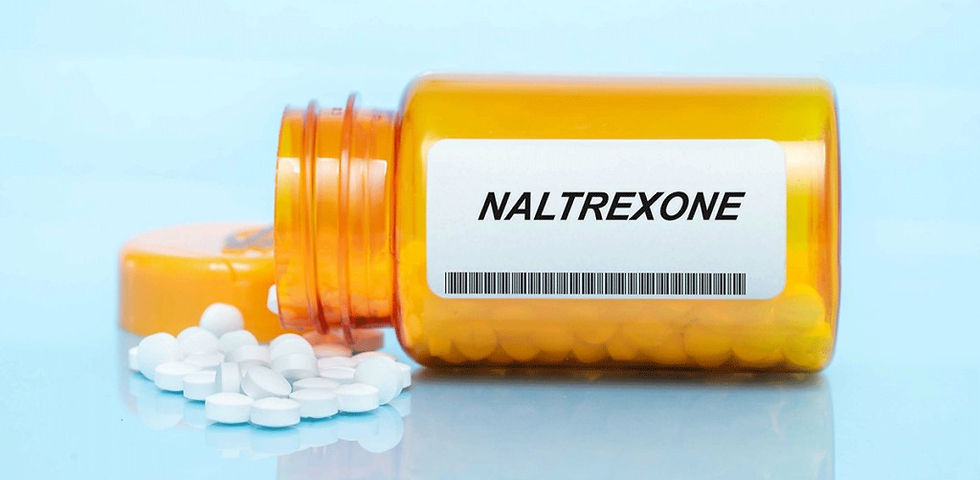
Absent is a prevention approach. I have said this before – no epidemic can be ended without a preventative approach. We have an analog of naloxone called naltrexone. Most people have barely heard of naltrexone and most often in negative terms. It took years to educate the public about benefits of naloxone; it is time we start educating the public on the benefits of naltrexone. Naloxone and naltrexone are complementary. Naloxone reverses an overdose while naltrexone prevents an overdose.
It naïve to believe we will be able to end the opioid epidemic with naloxone and fentanyl test strips..
If you would like to connect with Percy Menzies, M. Pharm., regarding this article, you can reach him through his LinkedIn profile.”

This article makes an important point about proactive planning versus reactive crisis management. The opioid epidemic shows how waiting for problems to escalate costs far more in lives and resources than early intervention. For anyone looking to sharpen their analytical skills while unwinding, Meowdoku offers a calming way to exercise the same strategic thinking needed for long-term problem solving.
This post made a strong point about how waiting to react instead of planning ahead can make serious problems even worse. While helping with a facility upgrade at work, I spent some time learning about Cast Resin Transformers because safety and long term reliability were important for the project. That experience reminded me how prevention often matters more than fixing problems after they happen. The same mindset fits the message here since preparing early can save lives before another crisis grows.
This is a thoughtful reflection on how rapidly evolving opioid crises can outpace public awareness, healthcare systems, and policy responses. The discussion highlights the importance of early education, responsible prescribing practices, and stronger prevention strategies before emerging substances become widespread public health threats. It also shows how social, medical, and legal systems are deeply connected in addressing addiction issues. For students studying healthcare, public policy, and social sciences, associate level course helper can provide useful support in understanding complex topics, organizing research, and improving academic analysis skills.